Modern hair transplantation achieves very high success rates. However, as with any medical procedure, certain factors can affect the quality of the final results.
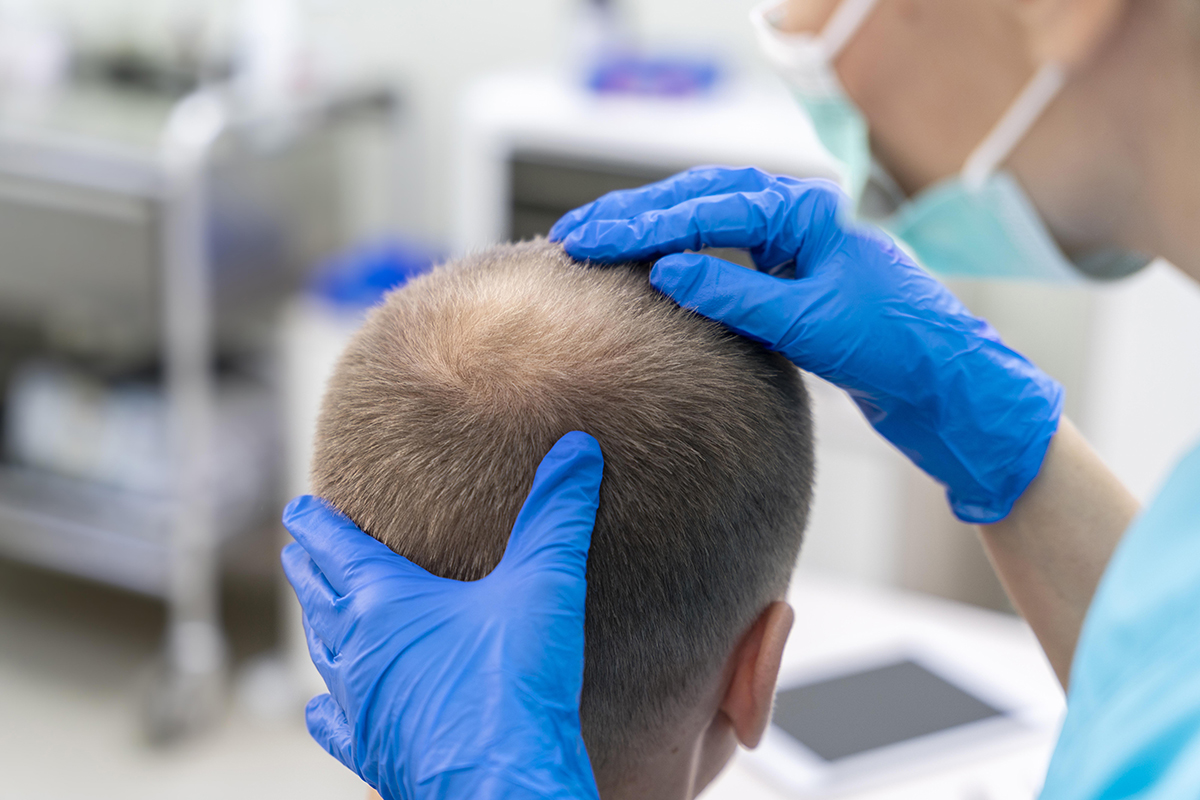
One of the most common reasons for unsatisfactory outcomes is selecting patients who are not suitable candidates for the procedure, or having a limited donor area that cannot provide enough grafts to achieve the desired coverage.
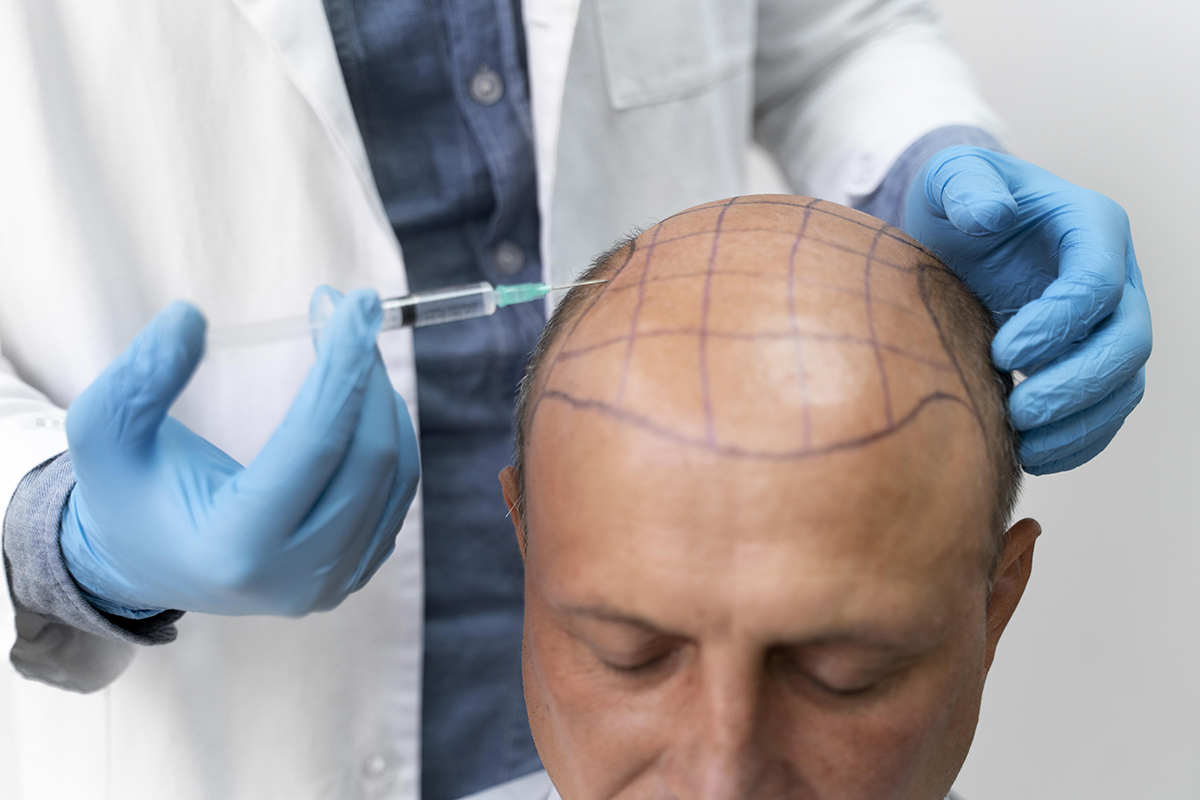
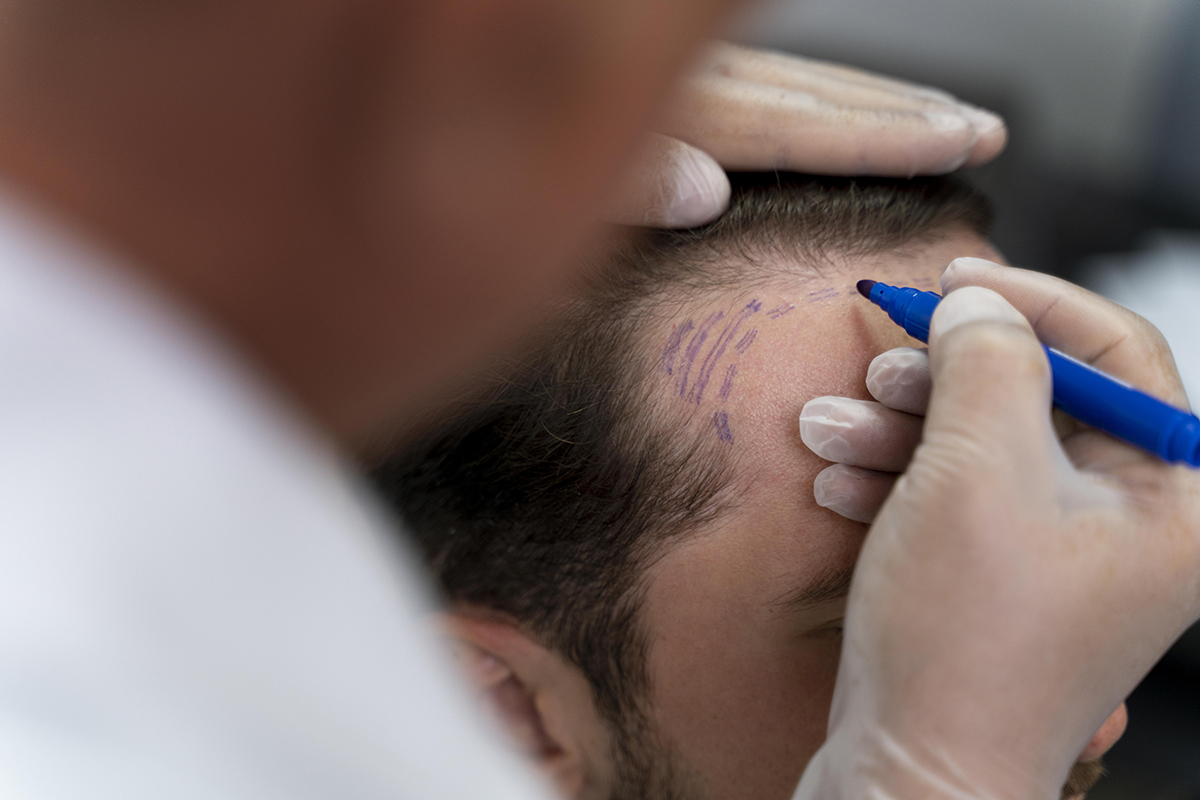
In addition, poor planning of the hairline or improper graft distribution may lead to unnatural-looking results or lower density than expected.
After the procedure, the patient’s commitment to medical instructions plays a crucial role in the success of the transplant. Certain habits, such as excessive smoking, early sun exposure, or failure to follow prescribed medications, may negatively affect the healing process.
It is also important for patients to have realistic expectations based on an accurate medical assessment, as hair characteristics and donor area density vary from person to person.
For this reason, I firmly believe that successful hair transplantation begins with proper diagnosis and careful planning before the procedure, followed by close post-operative follow-up to ensure the best possible outcome.